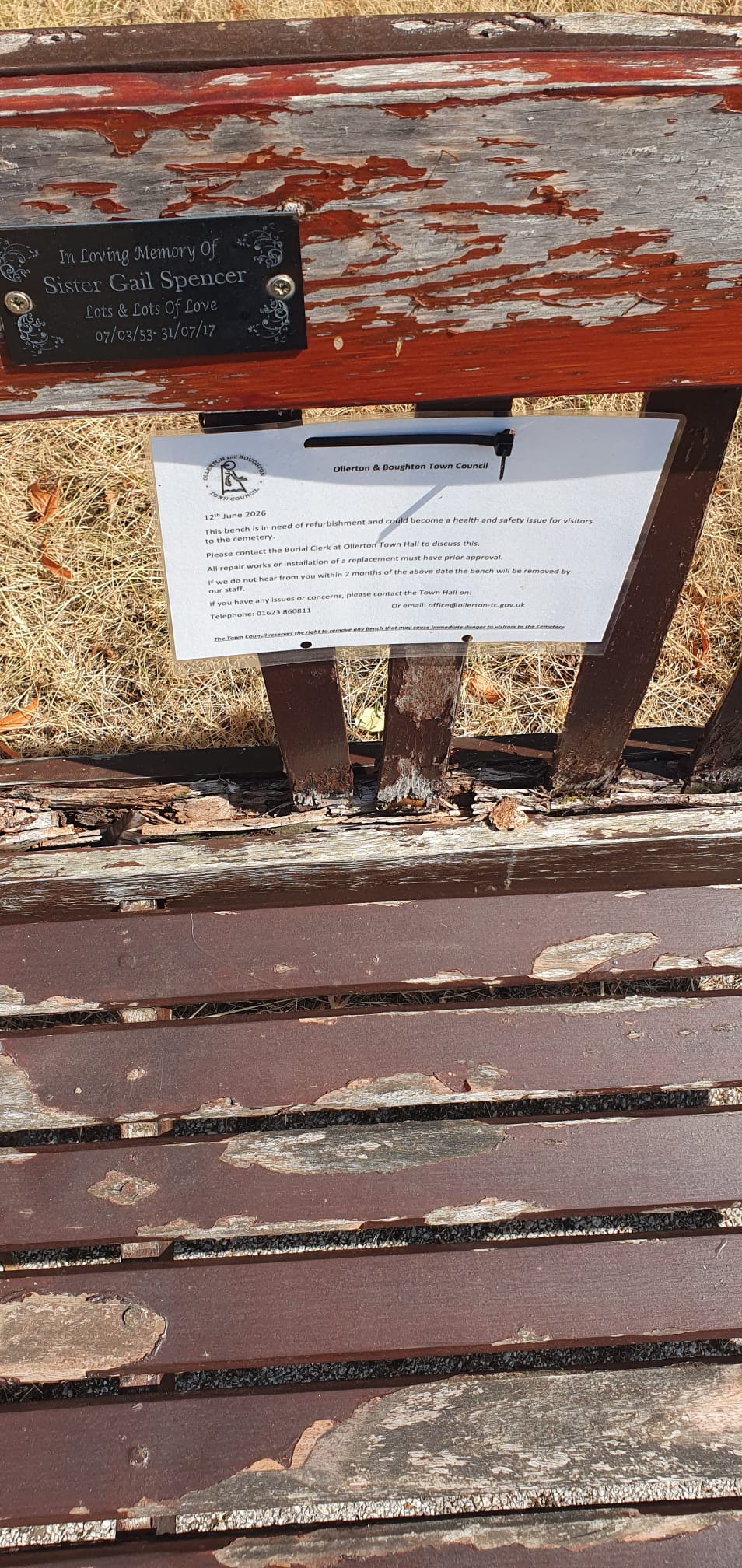
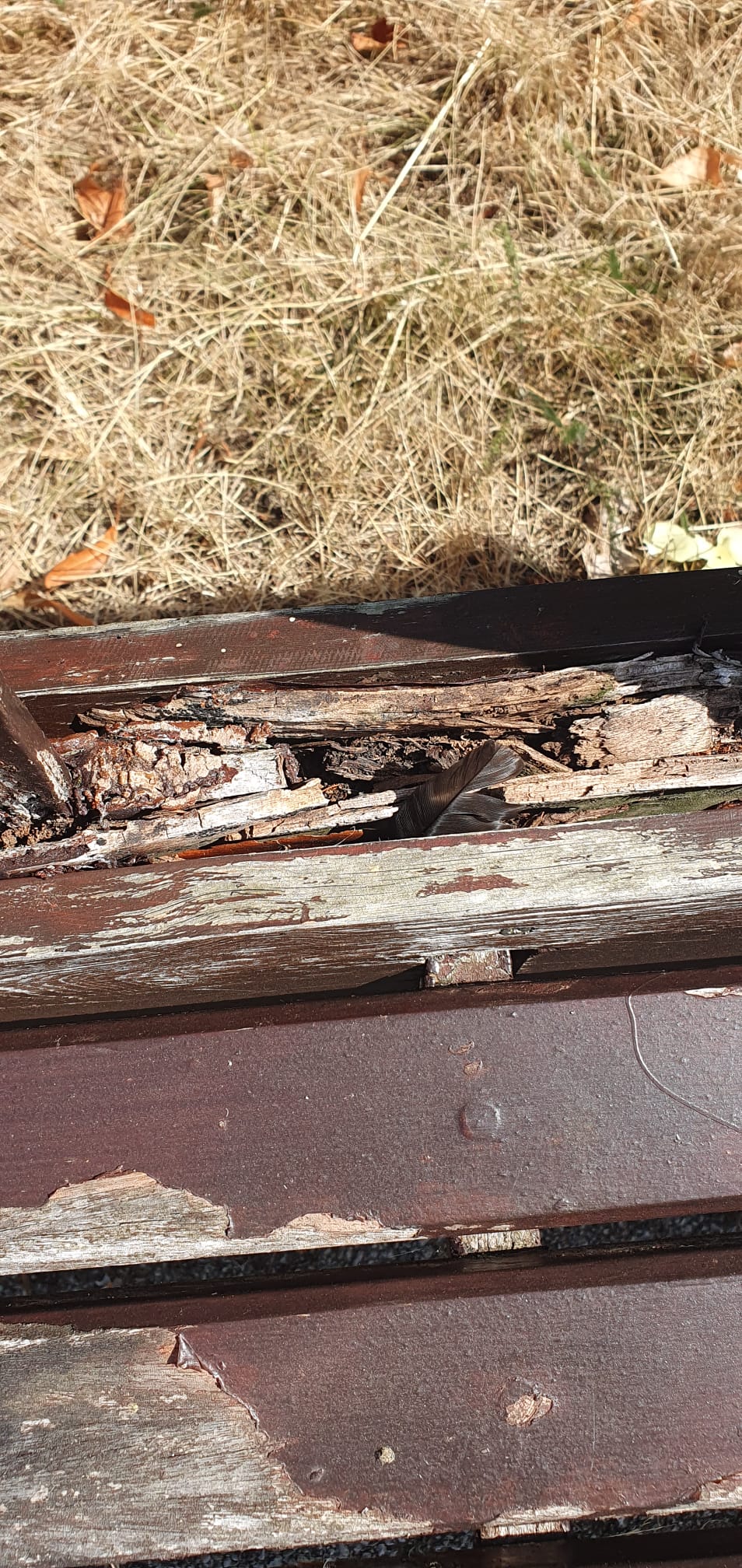
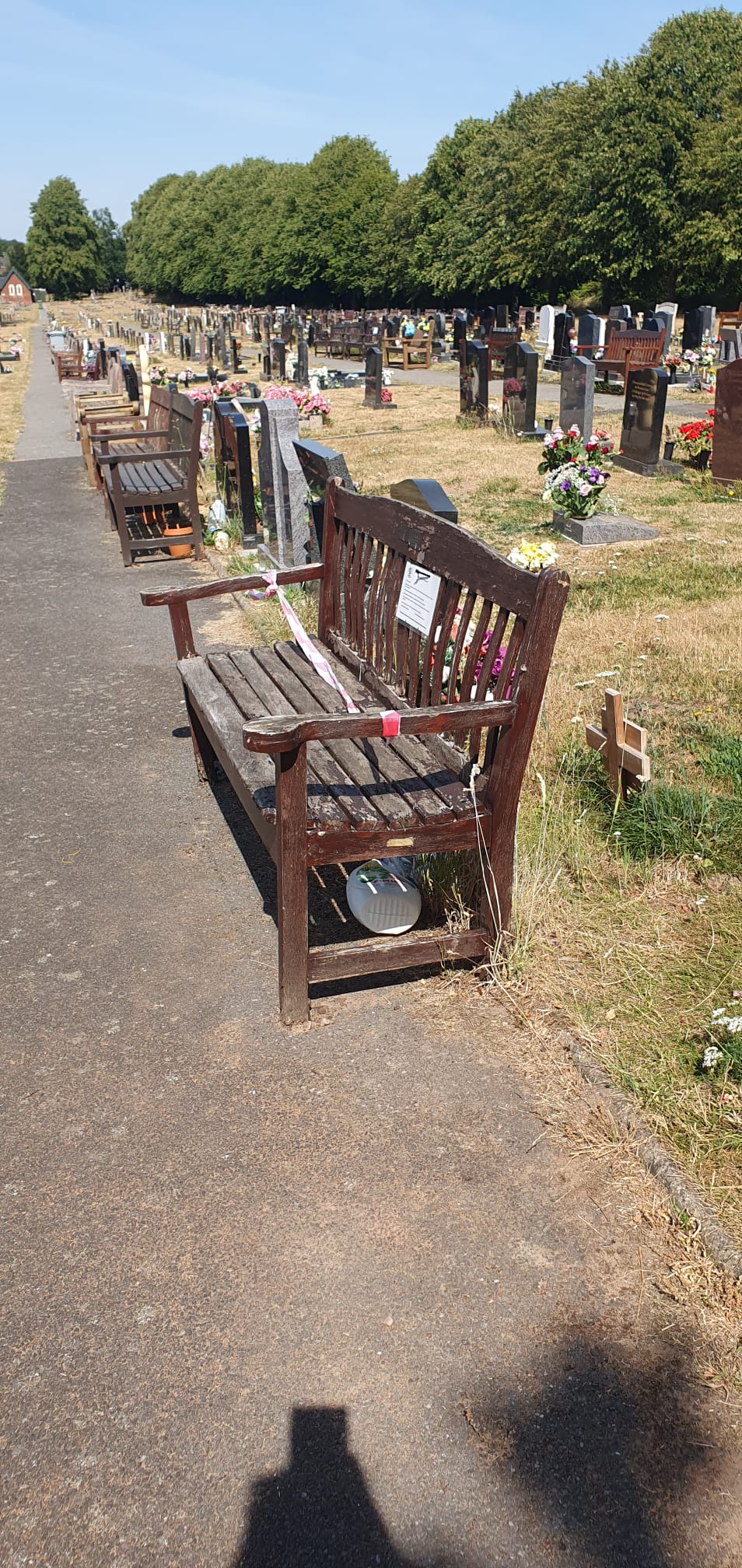
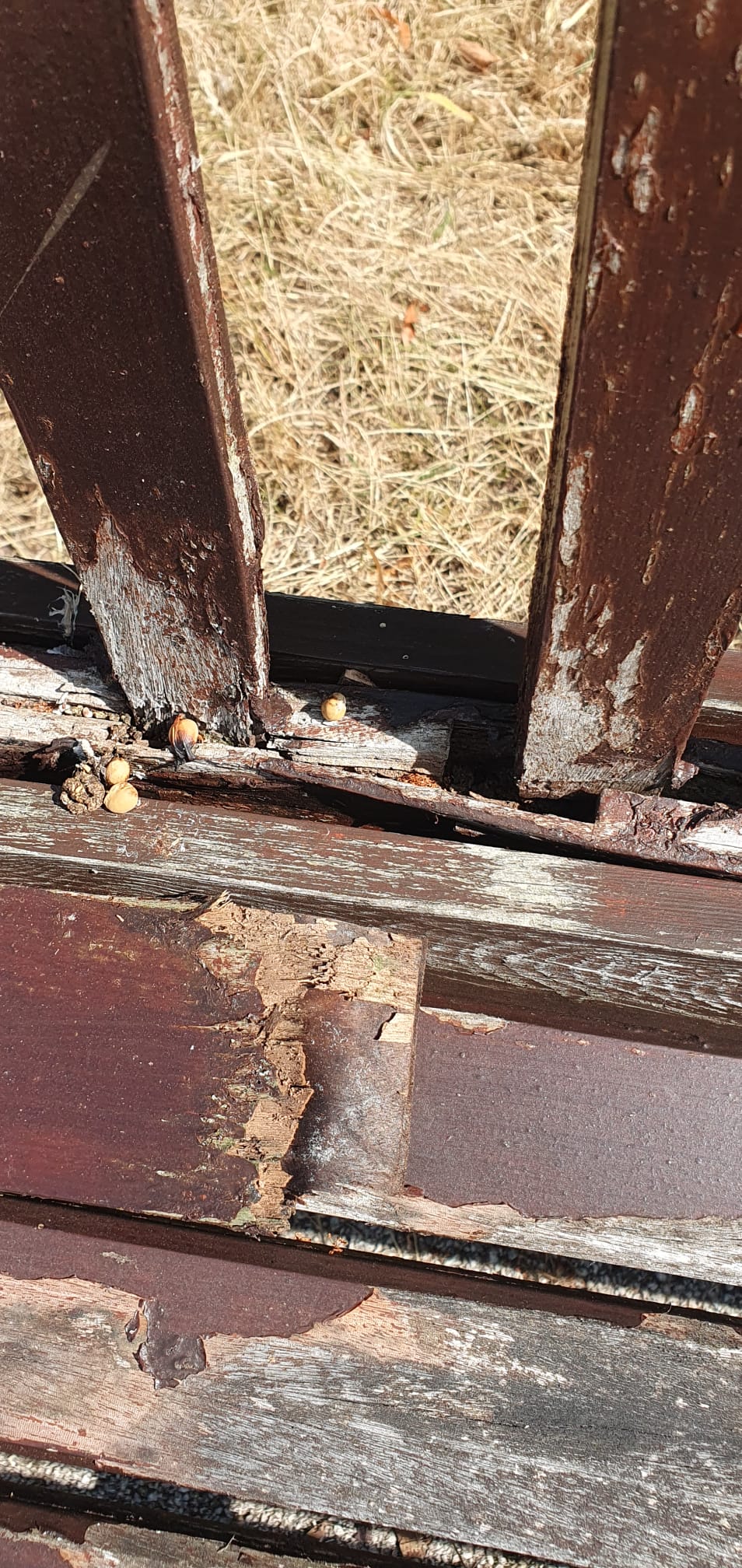
the 'evidence'
Inconsistencies in the Council's Communication
The complete meeting minutes are available on the town council website.
Below are screenshots of the relevant sections.
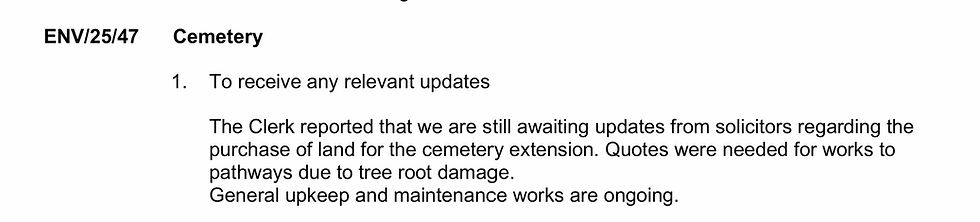
No Concerns in September 2025

No Concerns in July 2025

No Concerns in June 2025
No Concerns in April 2025
How did a bench that had been permitted, installed, and left without apparent concern suddenly become such an urgent danger that removal was approved before its owner was even invited to explain the circumstances?
If you're wondering whether this "serious trip hazard" was raised in February 2025, save yourself the suspense: it wasn't. Feel free to review the published minutes yourself and see if you can find any reference that everyone else appears to have missed.
The Never-Ending Detour

Left Benched by Knight of the Town Clerk:
A Masterclass in Missing the Point
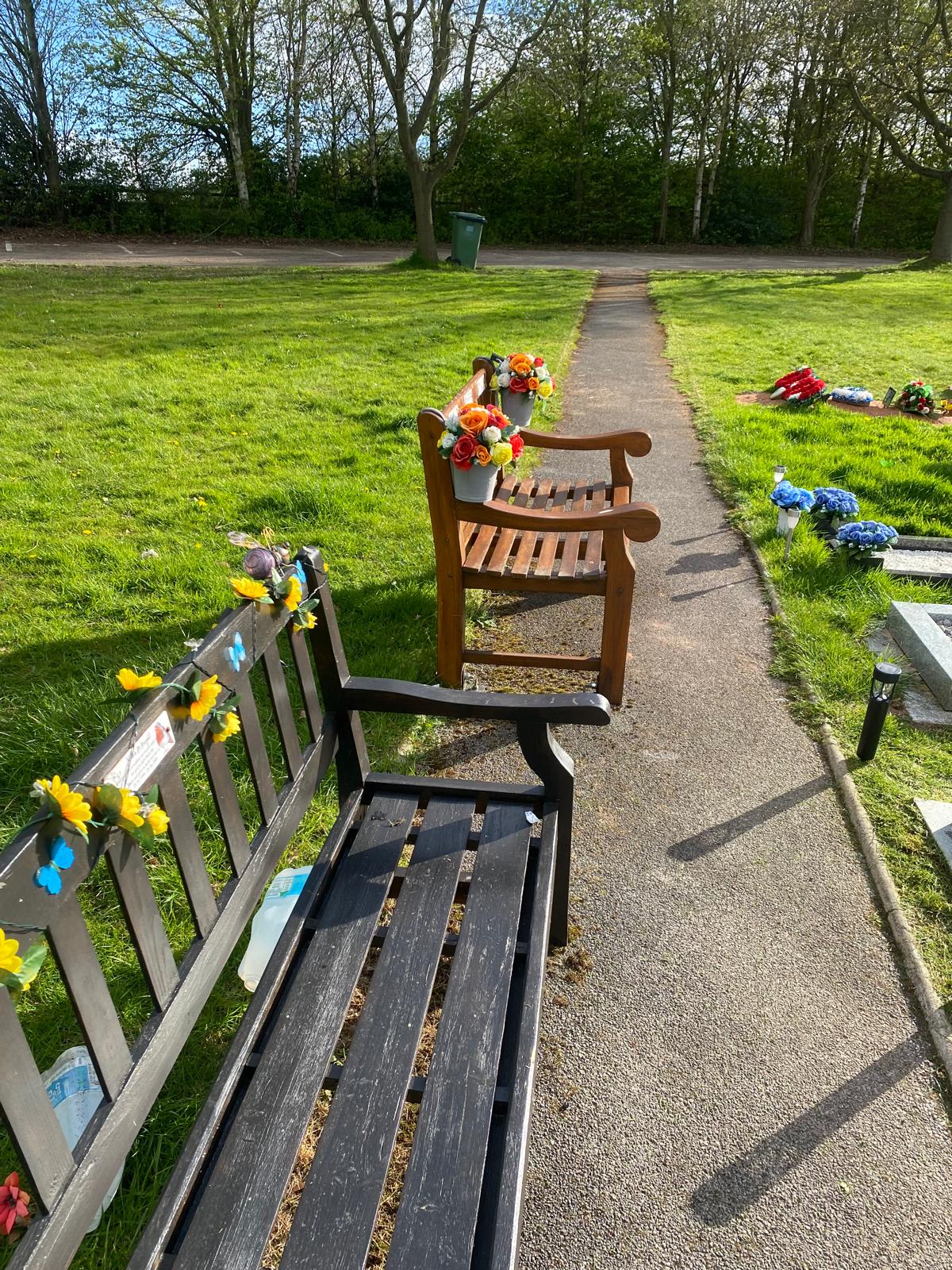
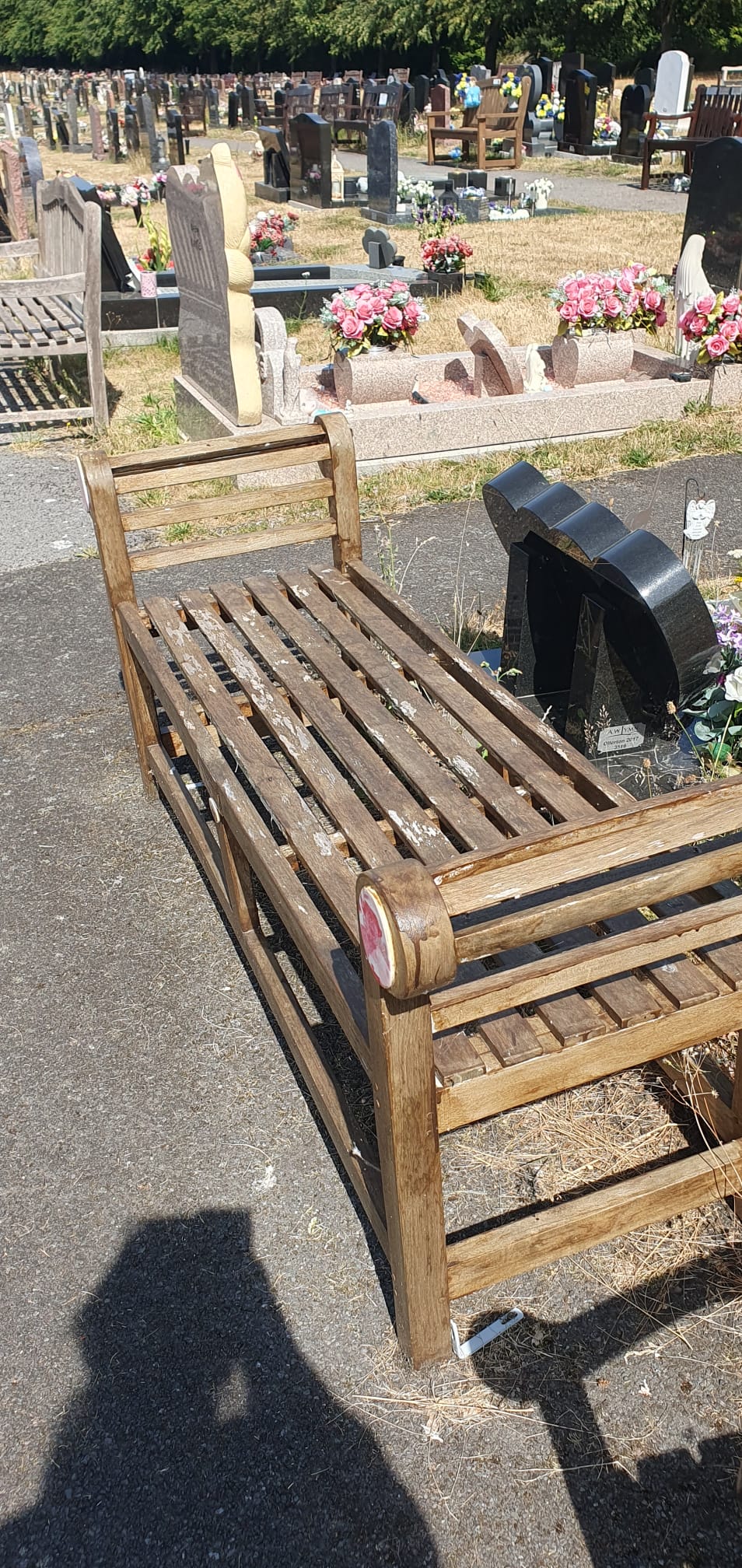
This came following reports that the bench was not in keeping with others within the cemetery and was obstructing the walkway due to its size.
My understanding is that this situation only arose because permission was originally given for a bench to be placed in a location that did not leave room for my bench, so i accommodated. What I still struggle to understand is the reasoning behind removing the bench in the middle. I have personally measured the access before and after the proposed changes, and in both cases there is insufficient space for a wheelchair to pass through. If wheelchair access remains restricted regardless, then removing the middle bench does not appear to achieve the stated objective.
This raises a reasonable question: if the access issue is unchanged, why was it considered necessary to remove the middle bench at all? From my perspective, the decision seems inconsistent, particularly when no similar review appears to have been undertaken for other benches in the cemetery.
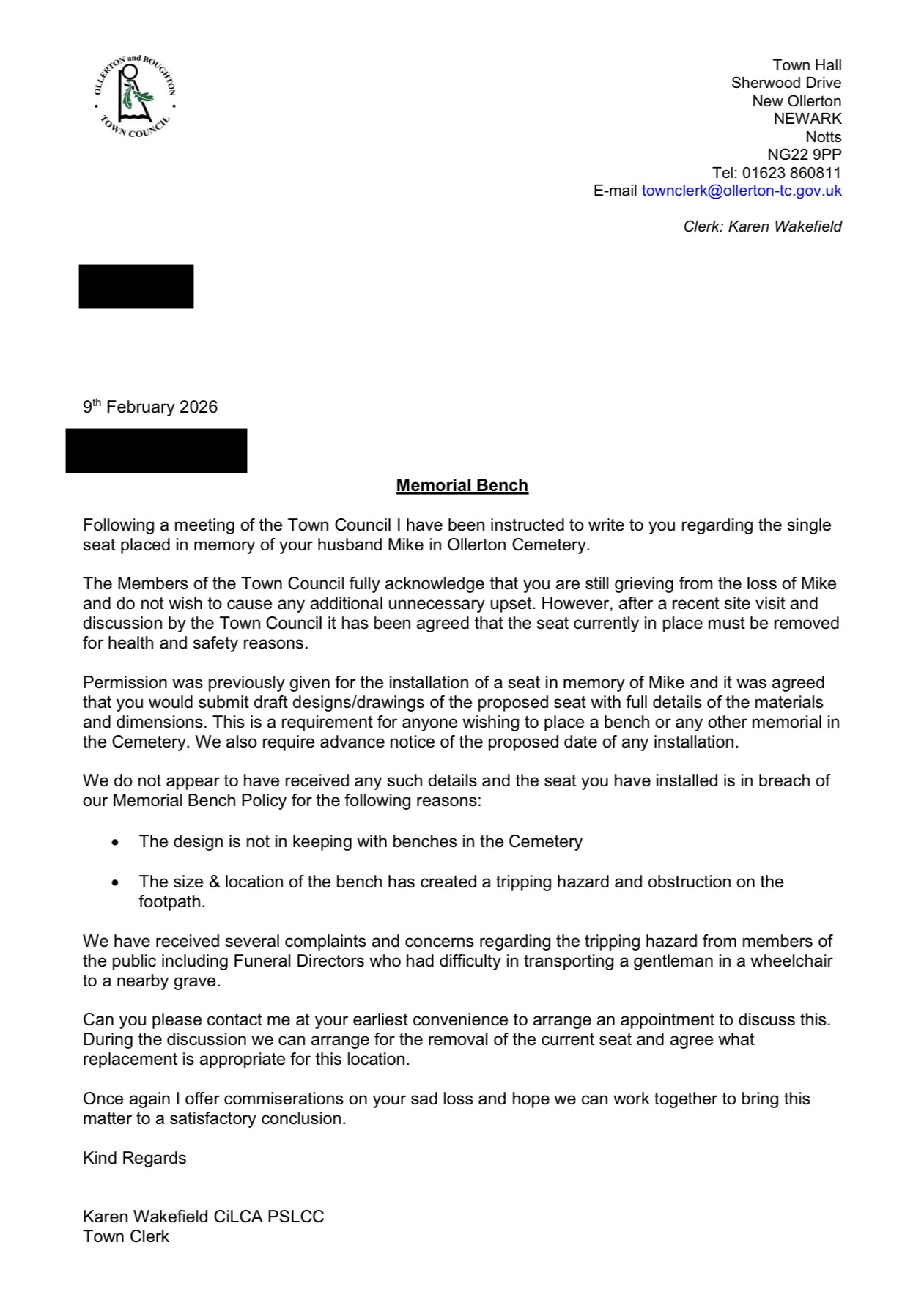
January 28th 2026, it was unanimously decided by Councillors that we instruct the Clerk to write the letter that was sent February 9th 2026, which invited your family to contact the Clerk to discuss a meeting so that we could find a positive way forward.
This appears inconsistent with what has happened since. The stated intention was to discuss the matter and find a positive way forward through a meeting. The current position appears to have shifted from discussion and resolution to removal. Furthermore, my mother was neither the applicant nor the owner of the bench, despite this being clear within the Council's own policy.
On the morning of Tuesday 24th February 2026, staff from the Town Council spoke with your mum, Mrs Phillips,
Again, my mother was not the owner or applicant regarding the bench. I struggle to understand why discussions about my property and application were considered appropriately addressed by speaking to someone else. I suspect most people would have concerns if decisions about their property were communicated through a family member rather than directly with them.
I want to make it very clear that no decision was made by the Town Clerk, the Deputy Clerk or any other member of staff. This decision was made by Town Councillors at a public meeting.
This raises an obvious question: was the Council's decision to arrange a meeting and discussion, or was the decision to remove the bench? The two positions appear difficult to reconcile. It gives the impression that subsequent decisions may have been made without reference to the original Council instruction.
I have been made aware of the fact that you have posted about this on social media, tagging the Town Clerks account and placing blame on her. I request this is removed and that a formal apology is given to the Clerk by yourself. We do not accept abuse of our staff or Councillors in any form and a post that directly targets and lays blame at her for simply doing her job as instructed by Councillors is entirely unacceptable. If this is not removed, we may have to take this further as a Council.
I submitted a formal complaint and, rather than receiving answers to the issues raised, I received a request that I apologise.
The account in question uses the handle "@OBTCTownClerk", which naturally presents itself as an official Council-related account.
If the Council objects to members of the public drawing that conclusion, it might be helpful for there to be clear guidance within Council policies.
I also note that the Council's published information referred to Facebook but not Instagram, which raises further questions about how
official Council communications and representations are managed online.
In line with our complaints procedure, as Chair of the Council, I will take this matter to the next Full Council meeting on March 18th 2026.
The response appears to be that my concerns will simply wait until the next Council meeting. There was no indication of an investigation, review, or discussion beforehand. That approach seems particularly concerning considering how serious complaints are expected to be handled, especially where urgency could potentially be a factor.
The letter was sent to Mrs Phillips as she is the registered person for your father grave.
That may be true regarding the grave, but it does not address the fact that she was not the owner or applicant relating to the bench. The Council's own policy distinguishes between those matters.
We apologise if this should have been addressed to you, and the Clerk has expressed this apology already. We are confident though that there is no breach of GDPR. I have had site of the letter and you are not named within it.
The fact that my name was not included does not automatically remove data protection concerns. Information relating to my application and correspondence was sent to another individual at another address. My concern is not whether my name appeared in the letter, but whether information intended for me was disclosed to someone else without proper authority.
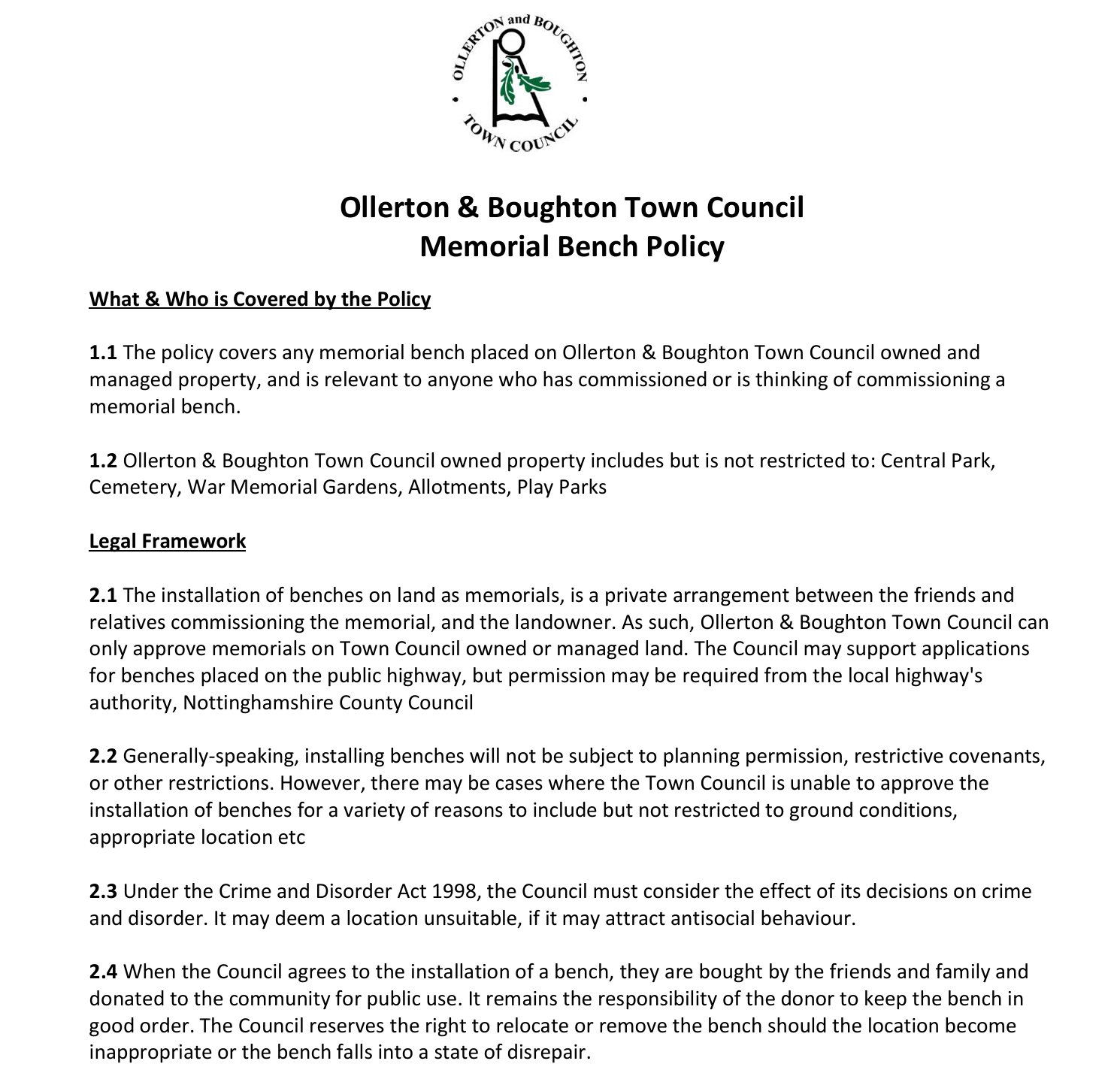
As is explained in the letter, you failed to supply the Town Council with draft designs/drawings of the seat with full details of the materials and dimensions. This is a requirement of all memorial benches and as such is a breach of our policy.
Which bench is being referred to here? The original design that I initially proposed, or the alternative arrangement that was verbally agreed when your errors were made? The bench had been in place for over a year before any suggestion was made that it was unsuitable. It is difficult to accept criticism of my compliance with policy when there appear to have been several occasions where the Council itself did not follow its own procedures.
I will work with the Town Council staff to get you any further information, but please be aware that we as Councillors are here in a voluntary capacity and many of us work full time on top of being Councillors.
I appreciate that Councillors volunteer their time and often balance those responsibilities with employment and personal commitments. However, those practical realities do not diminish the Council's responsibility to act in accordance with its own policies, procedures, and legal obligations.
You can see our policies here https://ollerton-tc.gov.uk/documents/policies-documents/
Thank you for providing the link. I have reviewed the policies available on the Council's website. During that review, I noted the apparent absence of several important policies and documents, including those relating to data protection, GDPR, safeguarding, and whistleblowing. My understanding is that local authorities are expected to maintain appropriate governance documentation, so these omissions raise additional concerns that I intend to pursue separately.
I have also attached a redacted copy of the letter that was sent.
If there was no data protection concern arising from the contents of the letter, it is unclear why redaction was considered necessary before disclosure.
I want to finally reiterate that this is not a decision made by the Clerk or any other member of staff and we will not accept abuse towards our staff in any form.
I have never supported or encouraged abuse towards any member of staff. My concerns relate to the actions and decisions taken during this process, not to individuals personally. I live in the same community and have always maintained a respectful relationship with Council staff, including the Clerk, who spoke warmly of my father on numerous occasions.
My comments were directed at the handling of the matter rather than any personal criticisum.
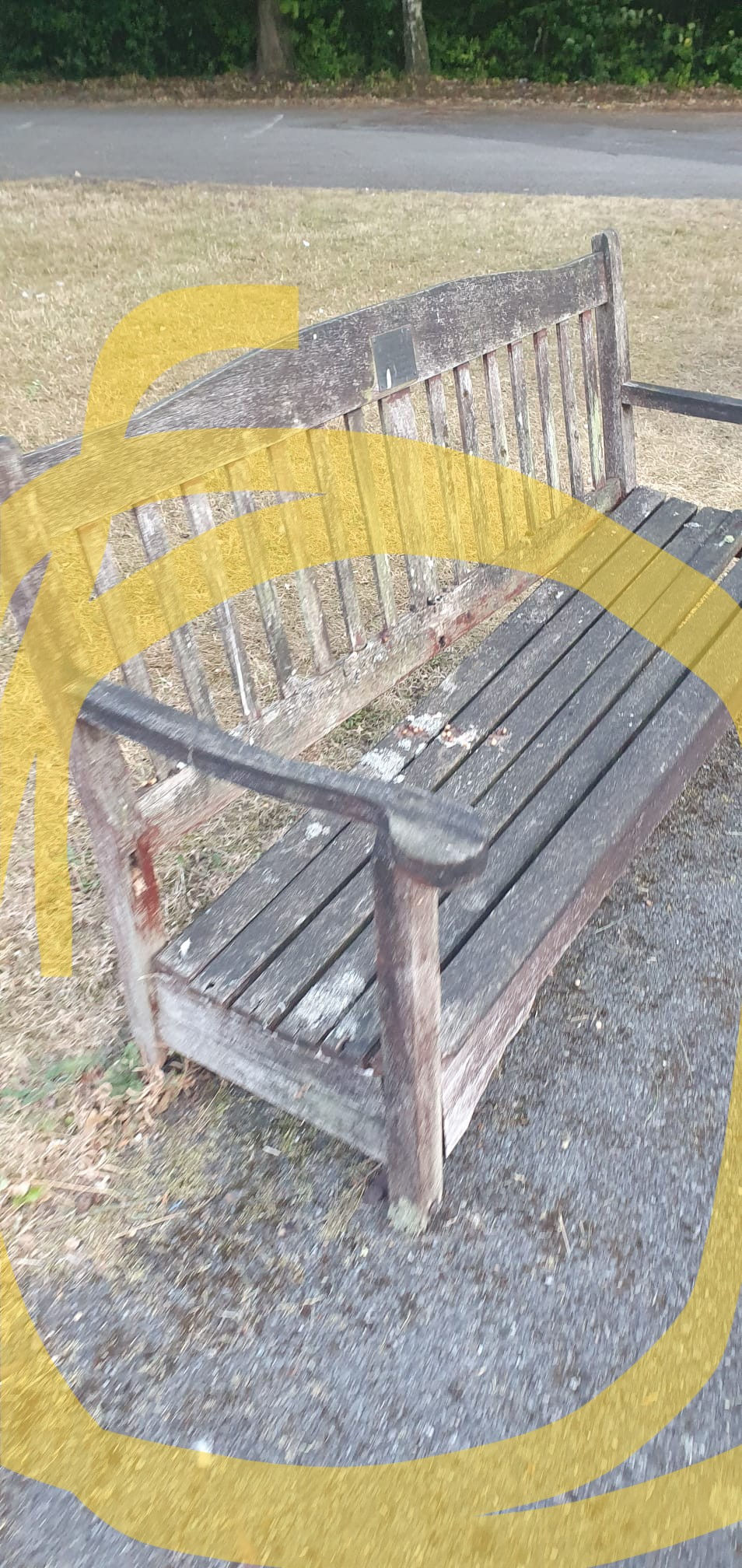
Can you imagine why im confused?
.jpeg)

Why Did It Take 22 Days to Acknowledge a Formal Complaint?
A Complaint Ignored for Nearly a Month?
A further concern is the Council's apparent failure to acknowledge the complaint within a reasonable timeframe.
The formal complaint was submitted on 24 February 2026, yet it was not formally acknowledged by Full Council until 18 March 2026, almost a month later. Neither the Council minutes nor the subsequent complaint response explain why this delay occurred, what action was taken during this period, or why the complaint was not progressed sooner.
This is particularly concerning given that the Council later claimed the matter required urgent investigation and imposed a 21-day deadline for the production of a report. If the complaint was considered serious enough to warrant a formal investigation, it is difficult to understand why almost four weeks passed before the Council formally acknowledged its existence.
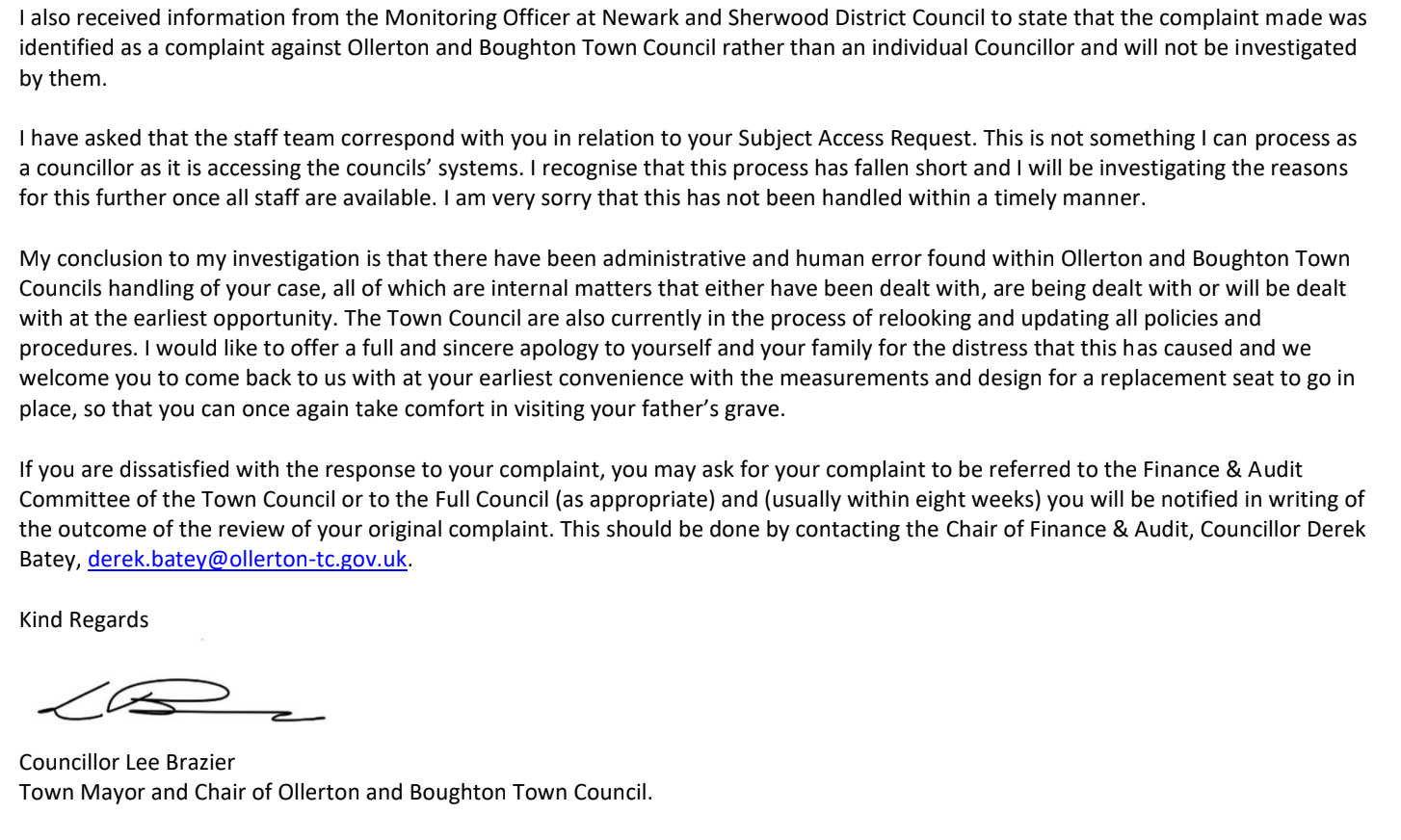
The delay becomes even more significant when viewed alongside the Council's later admissions of administrative errors, communication failures and shortcomings in the handling of the case. Rather than being an isolated issue, the delay in acknowledging the complaint appears consistent with the wider failings that the Council itself has since admitted.
The public is therefore entitled to ask:
-
Why was a formal complaint submitted on 24 February 2026 not acknowledged until 18 March 2026?
-
What actions, if any, were taken during those 22 days?
-
Who was responsible for monitoring and progressing the complaint?
-
Was the Council's own Complaints Procedure followed?
-
If it was not followed, what action was taken to address that failure?
The Council has repeatedly referred to administrative and communication failures throughout this matter. The unexplained delay in acknowledging the complaint raises the possibility that those failures began from the very moment the complaint was received.
Indeed, if the complaint required a Full Council meeting before it could even be acknowledged, residents may legitimately question whether the Council's complaints process is fit for purpose at all. After all, a complaint cannot be investigated properly if it first sits unattended for weeks without explanation.
Promised Investigation, Missing Evidence, Unanswered Questions
The documents published by Ollerton and Boughton Town Council raise a number of significant transparency concerns that remain unresolved.
1. Delay in Acknowledging the Complaint
The complaint was submitted on 24 February 2026 but was not formally acknowledged by Full Council until 18 March 2026. No explanation has been provided for this 22-day delay or what action, if any, was taken during that period.
2. Missing Investigation Report
Council minutes indicate that a report would be produced following the investigation. However, no report has been published, referenced, or made available for public scrutiny.
3. Unclear Whether the Promised Investigation Took Place
The minutes state that meetings would be held with:
-
The complainant.
-
Members of the Cemetery Working Party.
-
Council staff.
The complaint response does not confirm whether these meetings took place or what information was gathered from them.
4. Conclusions Without Supporting Evidence
The Council concluded that there were:
-
Administrative errors.
-
Human errors.
-
Communication failures.
However, no evidence has been published showing how these conclusions were reached or what specific findings were made.
5. No Clear Accountability
While mistakes have been acknowledged, no explanation has been provided regarding:
-
Who made the errors.
-
Who authorised the relevant decisions.
-
Whether anyone was held accountable.
Instead, readers are repeatedly told matters were "dealt with internally".
6. Contradictions Regarding the Bench Approval Process
The Council states that measurements and designs must be approved before installation, yet also admits that verbal permission was given for the bench to be installed.
No explanation has been provided as to how such a contradiction occurred or why the family was left dealing with the consequences of an admitted internal failure.
7. Lack of Independence
The complaint response appears to have been authored by the same individual who was overseeing the complaint process. There is no evidence of an independent review, external investigator, or formal scrutiny by councillors.
8. Limited Disclosure of Advice Received
The Council refers to advice from Newark and Sherwood District Council and the Monitoring Officer, yet the advice itself has not been disclosed. Residents are therefore unable to evaluate the basis of the conclusions reached.
9. Subject Access Request Concerns
The response admits that the handling of the Subject Access Request "fell short", but provides no explanation of:
-
What went wrong.
-
Whether statutory timescales were met.
-
How the issue has been addressed.
10. Apologies Without Transparency
Although the response contains multiple apologies, it provides very little detail about:
-
What actually happened.
-
How decisions were made.
-
What changes have been implemented.
-
How similar incidents will be prevented in future.
The Central Transparency Question
How can residents have confidence in the outcome of the investigation when the Council has not published the promised report, disclosed the evidence considered, explained how conclusions were reached, or demonstrated that the investigation process described in its own minutes was actually followed?
This remains the key issue underpinning the entire matter.
November 2025: Contact Owners and Place Notices?
The Cemetery Committee minutes from November 2025 suggest that where concerns existed about memorial benches, the Council's intended approach was to contact owners, place notices on benches requiring attention and maintain photographic records.
The minutes make no reference to immediate removal of benches. Instead, they describe a process based on communication and engagement with families.
This raises important questions about whether the approach discussed by the Cemetery Committee in November 2025 was followed in this case. If the agreed course of action was to contact owners and place notices on benches requiring attention, residents may reasonably ask:
-
Was this process followed?
-
Were notices placed on the bench?
-
Were dated photographs taken?
-
Was the owner contacted in accordance with the committee's instructions?
-
If not, why not?
These questions become even more important given the Council's later admission that administrative and communication failures occurred during the handling of the matter.
Why Was One Bench Owner Heard While Another Was Never Invited?
Fairness and Consultation
-
Why was a member of the public allowed to address councillors to argue for the retention of their own memorial bench, while the owner of the bench proposed for removal was not invited to attend or speak?
-
When was the decision made that my bench would be discussed by the Environment Committee and Full Council?
-
Why was I not informed that my bench was being considered for removal before a recommendation was made?
-
Why was I not given an opportunity to respond to the allegations that the bench was a trip hazard or not in keeping with the cemetery?
-
Does the Council believe this process was fair and consistent with the principles of natural justice?
Compliance With Committee Decisions
-
The November 2025 minutes state that owners would be contacted and notices placed on benches requiring attention. Why was this process apparently not followed in my case?
-
Were notices ever placed on my bench?
-
Were dated photographs taken as instructed by the Committee?
-
If those actions were not carried out, why not?
-
Who made the decision to depart from the process agreed by the Environment Committee?
Consistency of Enforcement
-
What criteria were used to determine that my bench was not in keeping with cemetery standards?
-
Were all other benches in the cemetery assessed against the same criteria?
-
If other benches did not meet those standards, what action was taken?
-
Why was my bench selected for removal while other benches remained in place?
-
Was a cemetery-wide review undertaken before the decision was made?
The "Trip Hazard" Allegation
-
What evidence supported the claim that my bench presented a serious trip hazard?
-
Was a formal risk assessment completed?
-
Was any independent advice sought?
-
If the bench was a serious health and safety concern, why was it allowed to remain for a period after the decision was made?
Influence on the Decision
-
Why was a member of the public allowed to give reasons why their memorial bench should remain during the discussion?
-
Did that representation influence the Council's decision?
-
Why was equivalent representation not sought from the owner of the bench proposed for removal?
-
Was Council policy applied equally to all bench owners?
Summary Critique: One Rule for One Bench, Another for the Rest?
Perhaps the most concerning aspect of this matter is the apparent inconsistency in how the Council approached memorial benches within the cemetery.
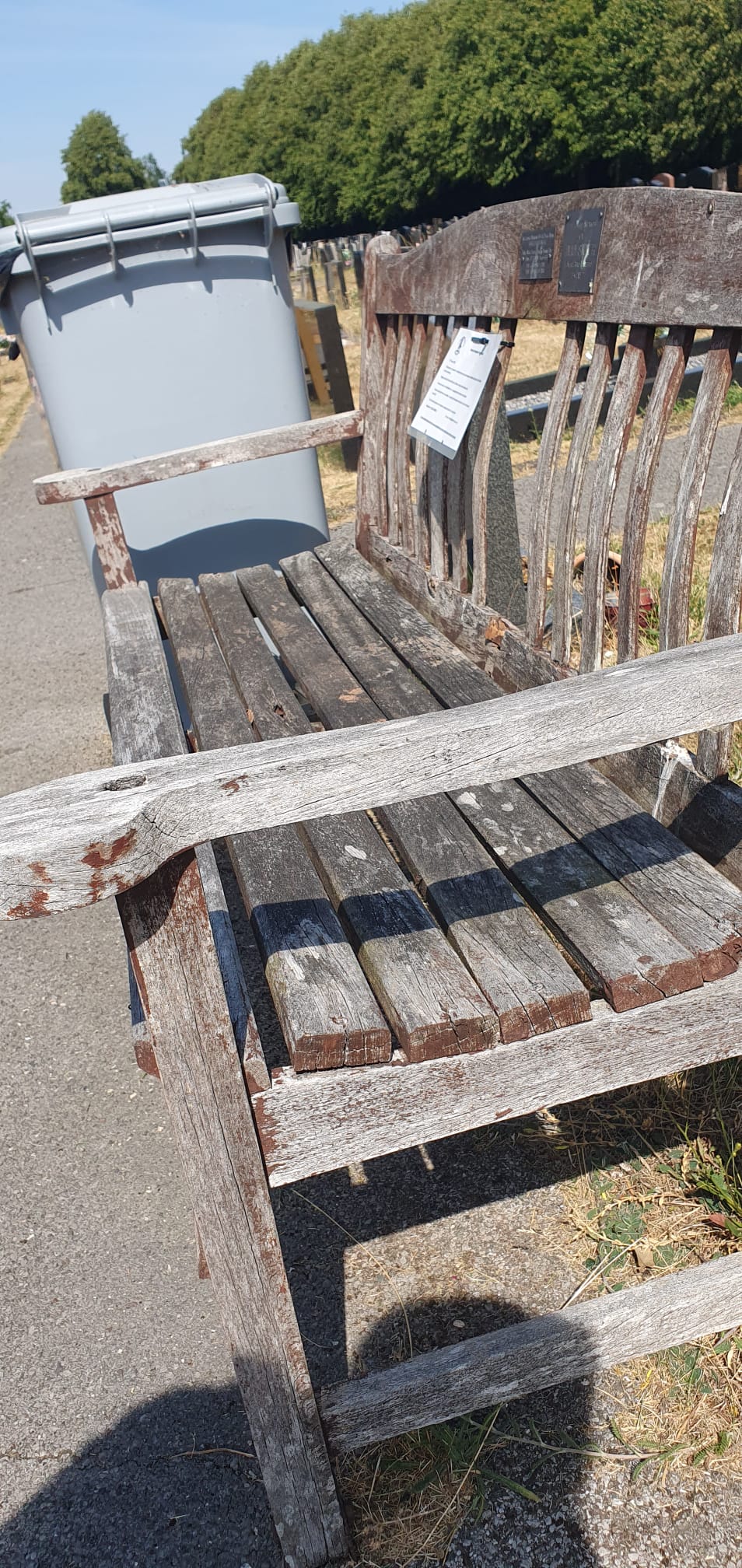
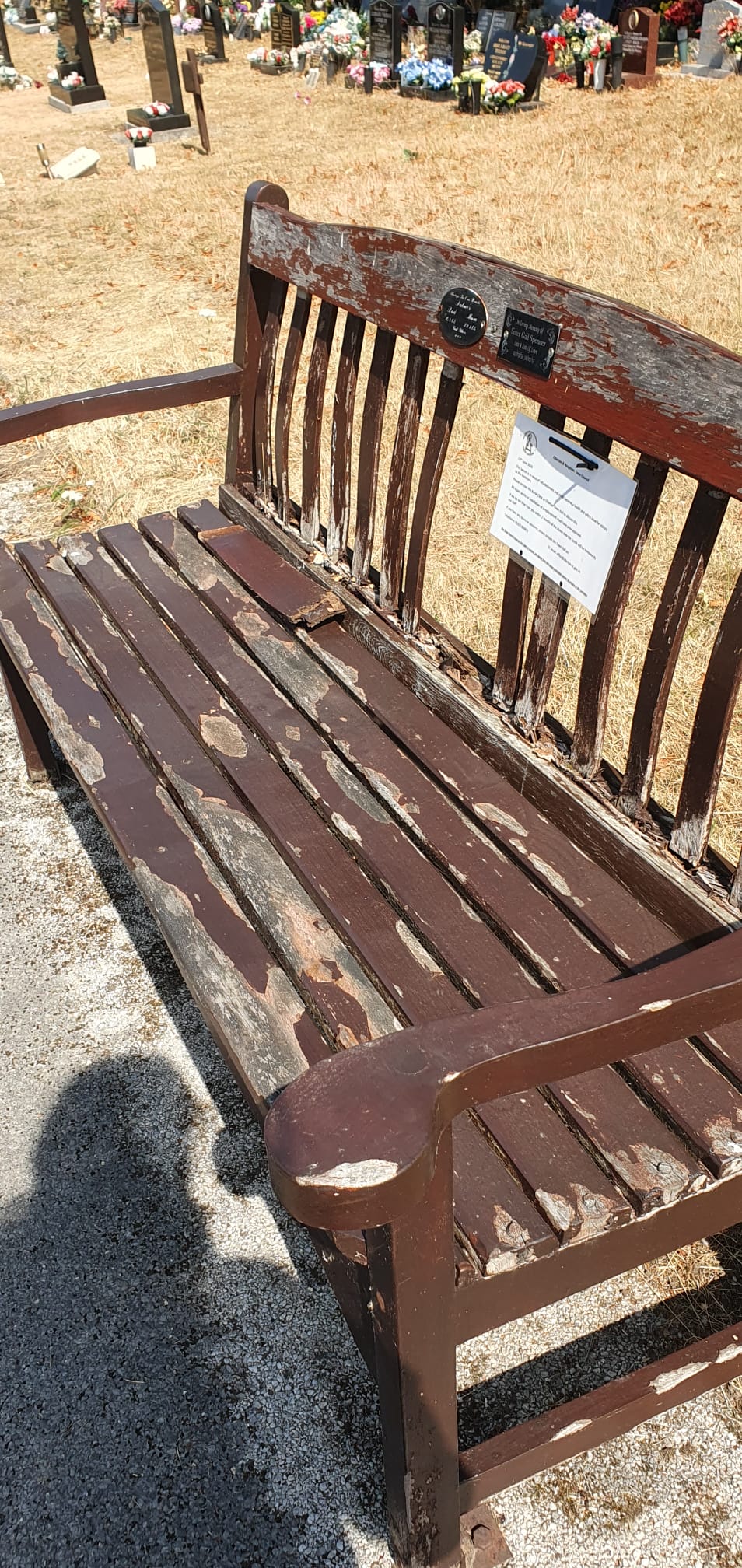
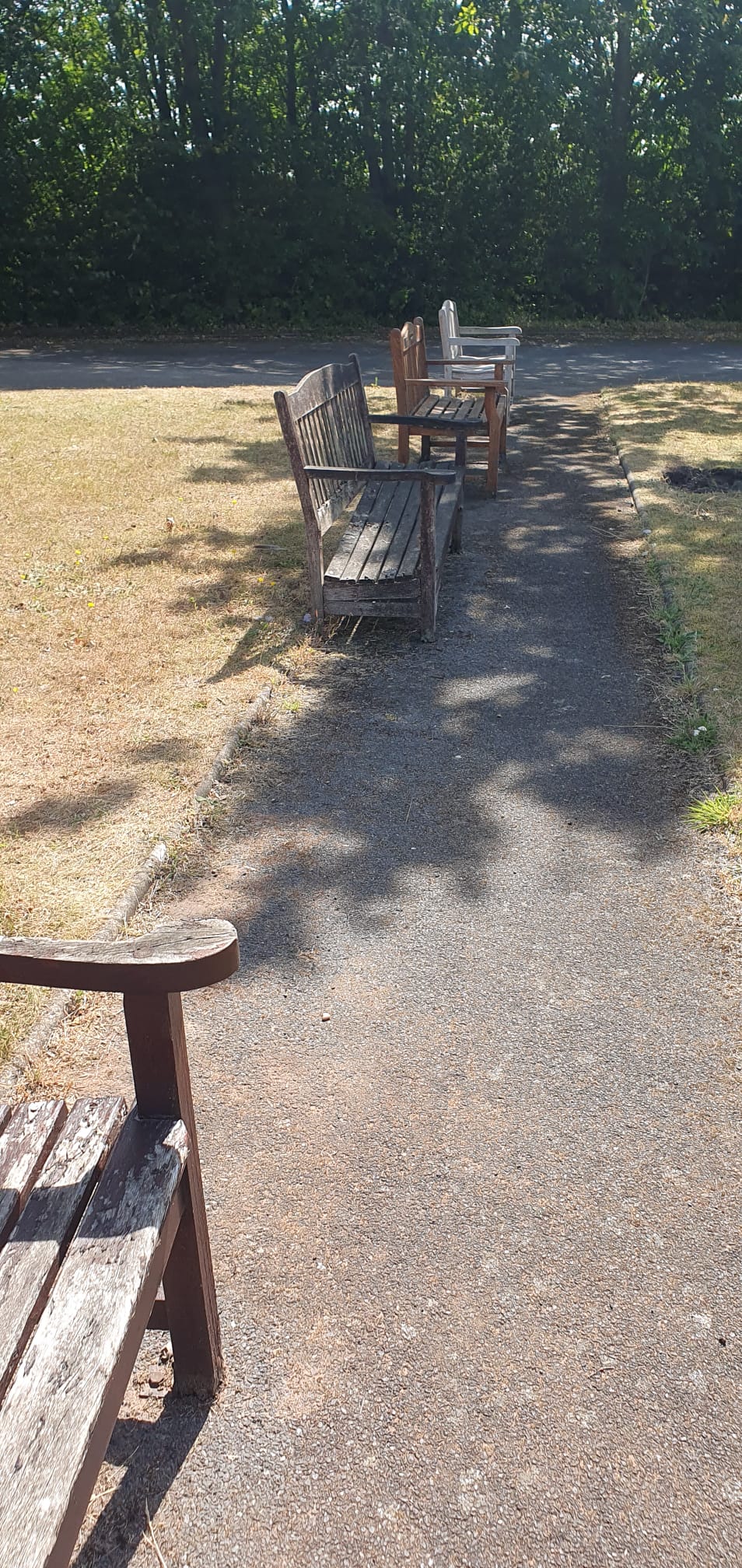
In February 2026, concerns were raised with the Council regarding a number of benches that appeared to be in poor or potentially unsafe condition. Photographs were supplied showing benches that were damaged, deteriorating, leaning, or otherwise requiring attention.
Despite the urgency expressed in the November 2025 committee minutes about benches requiring attention, there appears to have been little or no meaningful action taken regarding those concerns until my consistent updates till approximately June 2026.
By contrast, the bench belonging to my family became the subject of site visits, committee discussions, a working party recommendation, a Council resolution, correspondence and ultimately a formal complaint investigation.
This inevitably raises questions about consistency.
If the Council was genuinely concerned about health and safety, cemetery standards and benches being "in keeping" with the cemetery, why was decisive action taken in one case while other reported issues appeared to remain unresolved for months?
The published records create the impression that considerable attention was devoted to a single bench while wider concerns about cemetery benches received a much slower response.
At the very least, the Council should explain:
Why was one bench discussed, debated and approved for removal before its owner had an opportunity to be heard, while concerns about numerous other benches identified in February 2026 appear not to have resulted in comparable action until several months later?
Without a clear answer, it is difficult to avoid the perception that the decision-making process was inconsistent, selective and lacking in transparency.


The only notice was from 2024. February 2026 - still not actioned from November meeting

Bench Gallery


.jpeg)
.jpeg)
.jpeg)
.jpeg)
.jpeg)